
Farhan
Effects of Exercise on Your Inner Health
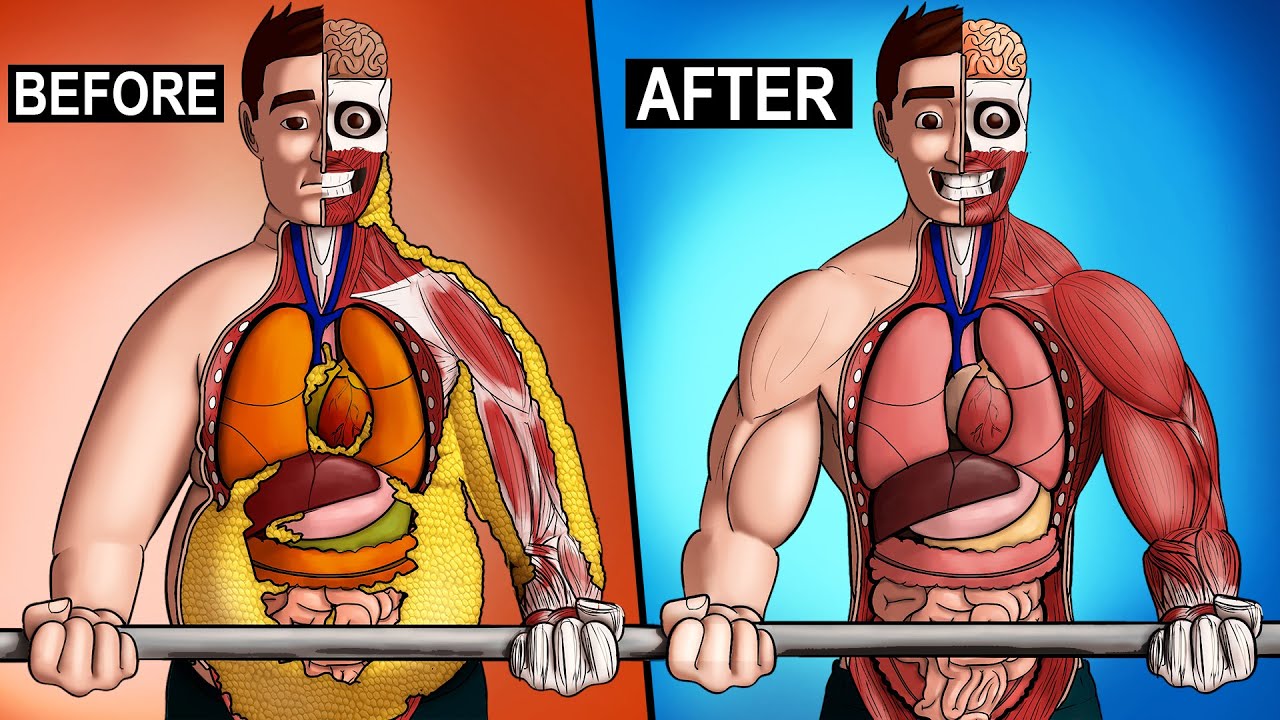
Welcome to our blog, where we delve into the remarkable effects of exercise on the human body's internal systems. Beyond the visible physical changes, regular exercise triggers a cascade of positive responses inside the body, contributing to improved overall health and well-being. In this blog, we will explore the amazing benefits of exercise on various internal systems, highlighting how staying active can enhance your quality of life and promote longevity.
One of the most significant impacts of exercise is on the cardiovascular system. Engaging in aerobic activities, such as running, swimming, or cycling, elevates the heart rate and strengthens the heart muscles. Over time, this improves blood circulation, lowers resting heart rate, and reduces the risk of cardiovascular diseases like heart attack and stroke.
Exercise also benefits the respiratory system by increasing lung capacity and efficiency. As you engage in physical activities that elevate your breathing rate, your lungs adapt to take in more oxygen and expel carbon dioxide efficiently. Improved respiratory function enhances endurance and overall stamina.
The musculoskeletal system undergoes positive changes with regular exercise. Weight-bearing exercises, like weightlifting and bodyweight workouts, stimulate bone density and promote the growth of muscle fibers. Stronger muscles and bones not only enhance physical performance but also reduce the risk of fractures and osteoporosis.
Exercise influences the endocrine system, leading to a release of various hormones that regulate bodily functions. Physical activity triggers the production of endorphins, dopamine, and serotonin, which elevate mood and reduce stress and anxiety. Additionally, regular exercise improves insulin sensitivity, helping manage blood sugar levels and reducing the risk of type 2 diabetes.
Moderate exercise is associated with a boost in the immune system. Regular physical activity increases the circulation of immune cells, making the body more effective at fighting infections. A strengthened immune system helps prevent illnesses and reduces the severity and duration of common ailments.
Exercise also has a positive impact on the digestive system. Physical activity helps stimulate bowel movements, reducing the risk of constipation. Moreover, exercise plays a role in weight management, which can alleviate digestive issues such as acid reflux and bloating.
The brain benefits greatly from regular exercise. Physical activity improves blood flow to the brain, promoting the growth of new brain cells and enhancing cognitive functions like memory, concentration, and decision-making. Regular exercise has also been linked to a reduced risk of neurodegenerative diseases, such as Alzheimer's.
Conclusion:
The effects of exercise on the body extend far beyond the surface. From boosting cardiovascular health and enhancing respiratory efficiency to supporting immune function and promoting cognitive sharpness, exercise is a holistic remedy for improved inner health. By incorporating regular physical activity into your lifestyle, you can unleash a plethora of benefits that contribute to a healthier, happier, and more vibrant life. So, let's lace up those shoes, embrace the power of exercise, and embark on a journey to a better, fitter you!

Farhan
Computers are fast; programmers keep it slow.